

Nutrition and Disability: Healthy Eating Tips for Children in Rehab
Proper nutrition plays a vital role in the development and rehabilitation of children with disabilities. At Total Rehab Kenya, we emphasize the importance of a balanced diet as part of a child’s overall therapy plan. This guide shares healthy eating tips for children with disabilities in rehab that are practical, affordable, and easy to follow.
Common Feeding Challenges
Children in rehabilitation often face feeding challenges due to conditions like cerebral palsy, autism, or sensory processing disorders. These challenges may affect their appetite, chewing, or digestion. Tailoring meals to meet their unique needs can enhance therapy outcomes and boost energy, immunity, and brain function.
Nutritional Tips and Meal Ideas
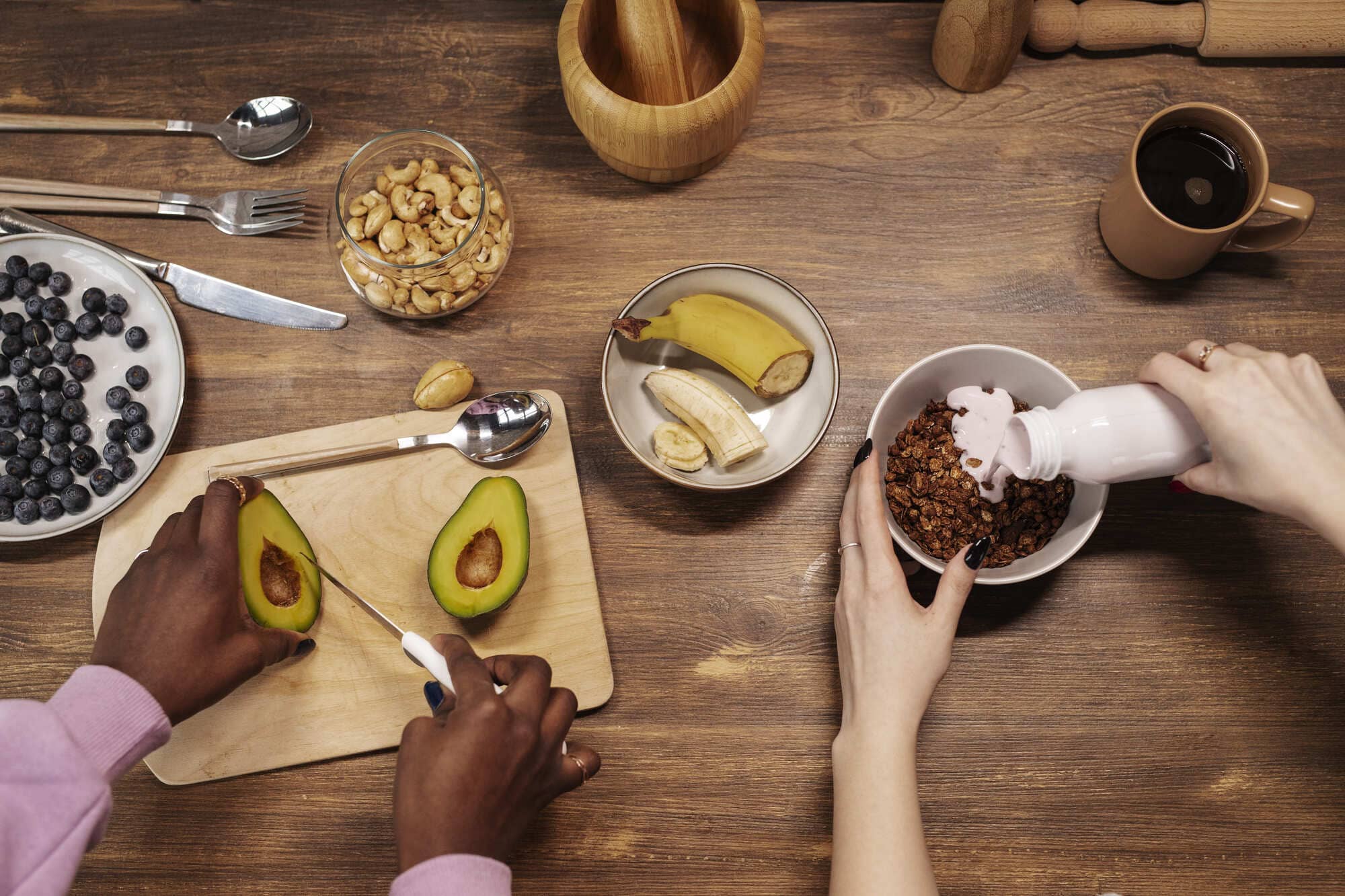
Start with small, frequent meals rich in nutrients. Include locally available fruits, vegetables, legumes, and proteins such as eggs, beans, and fish. Fortified cereals and porridge can provide essential vitamins and minerals. For children with difficulty swallowing, use purees and soft textures.
Hydration is key. Encourage water and natural juices over sugary drinks. Consult with your child’s therapist or a nutritionist to ensure their specific needs are met.
Parental Involvement and Training
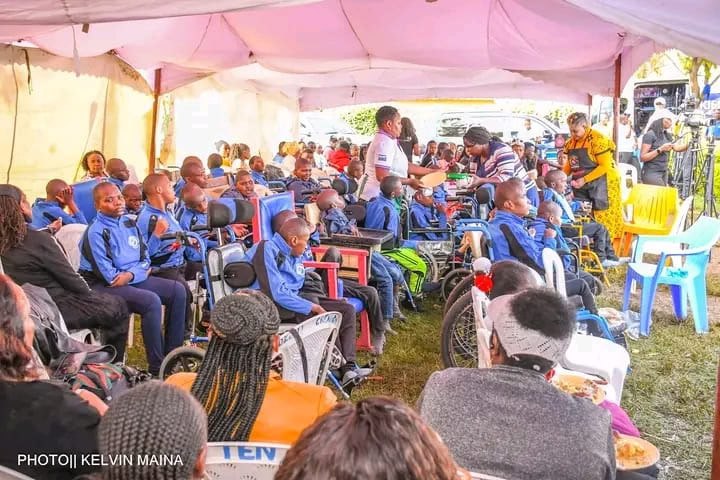
At Total Rehab Kenya, we help caregivers create meal plans suited to each child’s condition and therapy goals. We also train parents on mealtime routines and feeding techniques, especially for children with oral-motor difficulties.
Avoiding Harmful Foods
Families should avoid processed foods and sugary snacks, as they may worsen hyperactivity or digestive issues. Instead, involve your child in meal preparation to make eating more enjoyable and interactive.
Final Thoughts
A strong nutrition plan supports growth, learning, and independence—one healthy bite at a time.
C.T.A: Want expert advice on healthy eating tips for children with disabilities in rehab? Contact Total Rehab Kenya for a personalized nutrition consultation.