

Home Exercises for Children with Disabilities: A Parent’s Guide from Total Rehab Kenya
Physical activity is an essential part of rehabilitation for children with special needs. To help families continue progress outside the clinic, Total Rehab Kenya recommends simple and effective home exercises for children with disabilities. These exercises enhance strength, coordination, and independence.
Why Home Exercises Matter
Children with conditions such as cerebral palsy, spina bifida, or developmental delays benefit from consistent physical routines. Home-based therapy can improve muscle tone, balance, and mobility while encouraging self-confidence.
Examples of Safe Exercises
Start with safe, supervised movements. For example, stretching arms and legs daily helps prevent stiffness. Crawling or reaching for toys improves coordination. Standing practice with support strengthens leg muscles. Always consult your child’s therapist before starting a routine to avoid injury.
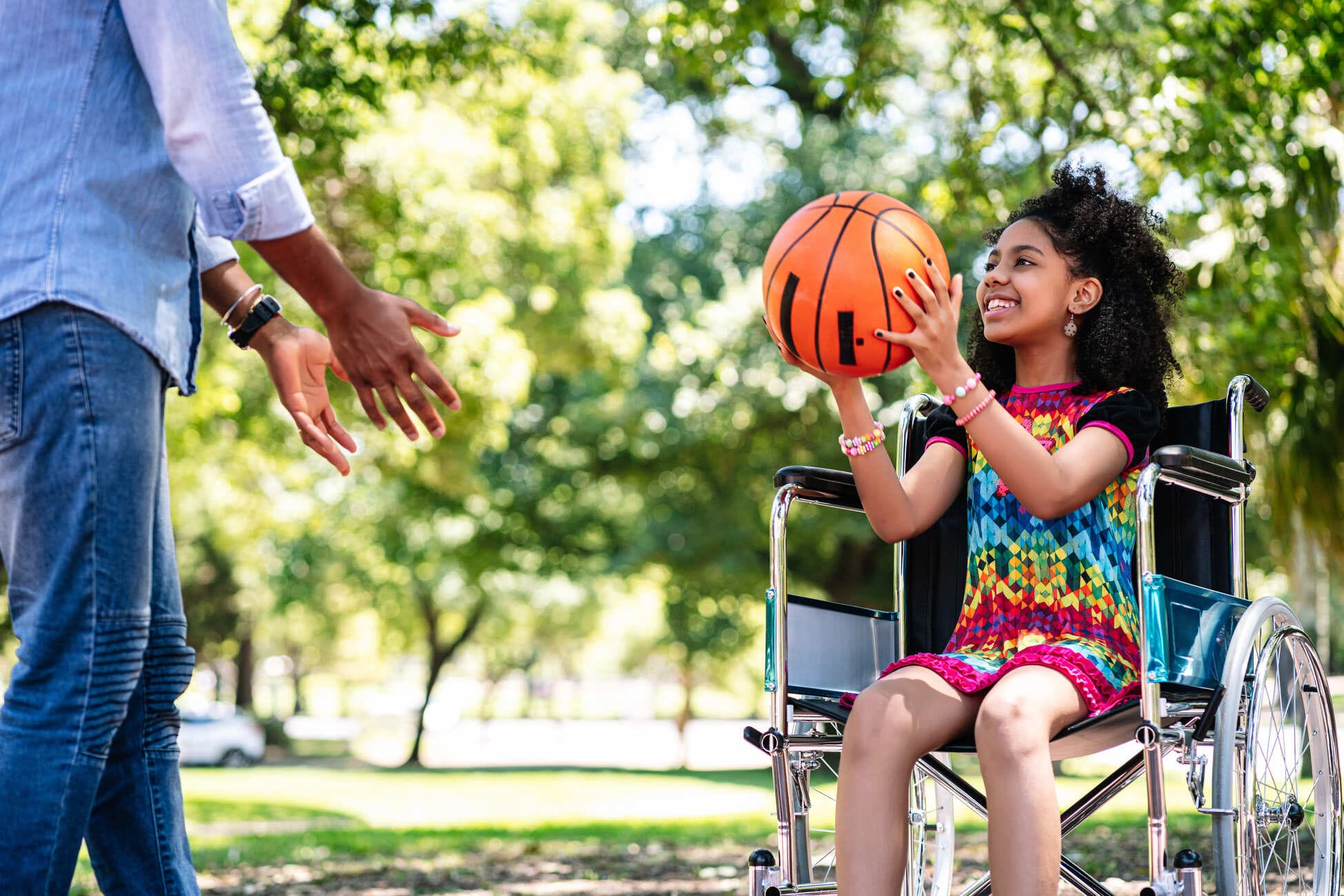
For children with limited mobility, passive range-of-motion exercises guided by a caregiver can keep joints flexible. Play-based activities like ball rolling, balancing on cushions, or stacking blocks can be both therapeutic and fun.
How Total Rehab Supports Parents
At Total Rehab Kenya, we empower parents with training sessions on home therapy. Our team demonstrates techniques, provides printouts or videos, and follows up with families to ensure progress.
Building a Routine
Consistency is key. Set aside short daily sessions and make the activities engaging. Celebrate small achievements to boost your child’s motivation and sense of success.
Final Thoughts
By incorporating these routines, families become active partners in their child’s rehabilitation journey.
C.T.A: Ready to begin home exercises for children with disabilities? Contact Total Rehab Kenya to access personalized guidance from our therapy team.